Compare Local Contractors for Shrub Installation Success
Compare local contractors to define project scope, verify experience, and set clear expectations for shrub installation.
Shrub installation projects typically involve selecting, preparing, and planting a variety of shrub species to enhance the landscape of a property. This work can include tasks such as soil preparation, selecting appropriate shrub types for the environment, planting at specified locations, and ensuring proper spacing and depth. Depending on the scope, some projects may also involve ongoing maintenance or adjustments to the landscape to achieve the desired aesthetic or functional results. Clearly defining what is included in the installation helps ensure that property owners and contractors have aligned expectations from the outset.
Establishing a detailed scope of work is essential when working with contractors for shrub installation. A well-defined scope clarifies the specific types of shrubs to be planted, the number of plants, planting locations, soil preparation needs, and any additional features such as mulching or staking. Having this information in writing helps prevent misunderstandings, ensures that all parties agree on the project's parameters, and provides a reference point throughout the work process. Properly defining the scope also aids in evaluating proposals, comparing service providers, and selecting a contractor whose experience aligns with the project’s requirements.
Property owners can effectively compare local contractors by reviewing their experience with shrub installation projects similar in scope and complexity. It’s beneficial to verify the types of projects each contractor has completed, ask for examples of past work, and understand their familiarity with the local soil and climate conditions. When evaluating service providers, it’s important to consider how thoroughly they outline the scope of work, their communication approach, and their ability to provide clear written agreements. Comparing these aspects helps ensure that the selected contractor can meet the specific needs of the landscape project and deliver results aligned with the property owner’s expectations.
Compare local contractors by outlining your project priorities, verifying experience, and clearly defining scope and expectations.
- Compare Contractor Experience - Review the background and project history of local contractors to ensure they have relevant shrub installation expertise.
- Define Project Scope Clearly - Outline specific shrub types, planting areas, and landscaping details to set clear expectations with service providers.
- Verify Credentials and References - Check references and past work to assess the reliability and quality of local contractors.
- Document Agreements in Writing - Ensure all project details, responsibilities, and expectations are detailed in a formal agreement.
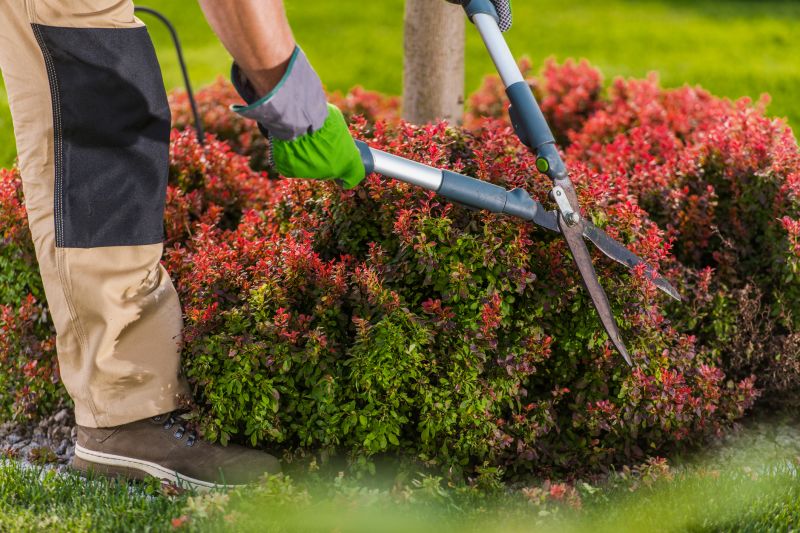
Clearly describe your shrub installation project to help local contractors understand your needs and compare options effectively.
- Verify the contractor’s experience with shrub installation projects similar in scope and scale. Ensure the scope of work is clearly defined and documented in writing before work begins.
- Compare multiple local contractors to assess their expertise, reputation, and service offerings for shrub planting. Ask for references or examples of previous shrub installation projects completed by the service providers.
- Confirm that the contractor provides a detailed written estimate outlining the work to be performed and materials used. Clarify any assumptions or exclusions in the scope to avoid misunderstandings later.
- Discuss the plant selection, placement, and landscape design preferences to ensure alignment with expectations. Make sure these details are documented in the contract or scope of work.
- Check that the contractor follows proper planting techniques to ensure shrub health and longevity. Inquire about their process for soil preparation, planting depth, and ongoing care recommendations.
- Ensure the service provider offers a clear warranty or guarantee policy for the shrub installation work performed. Review the terms to understand coverage and any conditions that apply.
Compare local contractors, clarify scope, verify experience, and set clear expectations for shrub installation projects.



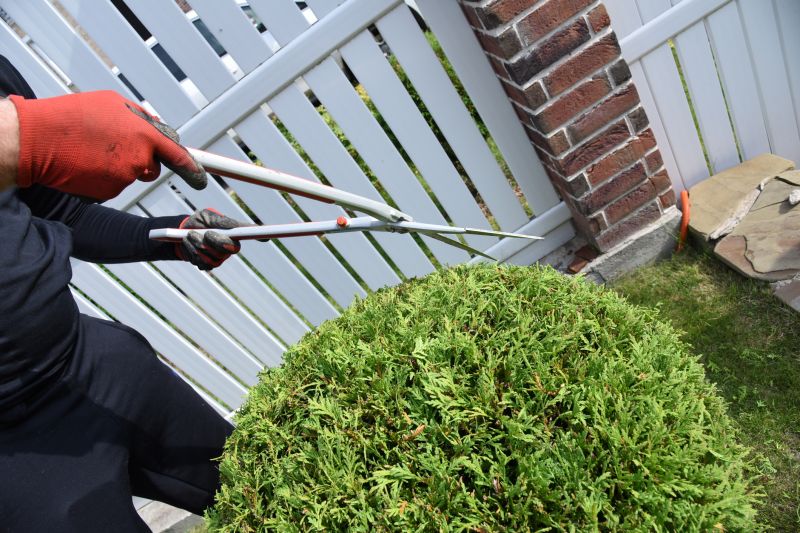
Learn how to compare local contractors, define project scope, verify experience, and set clear expectations in writing.
- Define scope of shrub installation - clearly specify the types, sizes, and quantities of shrubs to be installed.
- Verify contractor experience - ensure service providers have relevant experience with shrub planting and landscape preparation.
- Establish site preparation requirements - outline necessary tasks such as soil testing, grading, and debris removal.
- Determine planting standards - specify planting depth, spacing, and mulch application to ensure proper shrub health.
- Document project expectations - create written agreements detailing scope, materials, and responsibilities for all parties involved.
When comparing contractors for shrub installation, it’s important to evaluate their experience with similar projects. Homeowners should inquire about the types of shrub installations they have completed and the scope of their past work. Contractors with a proven track record in handling projects comparable in size and complexity are more likely to understand the specific requirements involved. This background can provide confidence that the service provider has the practical knowledge necessary to manage the nuances of shrub installation effectively.
A clear, written scope of work is essential for setting expectations and ensuring all parties are aligned. Homeowners should seek contractors who can provide detailed descriptions of the work included, such as the number and types of shrubs, planting locations, soil preparation, and any additional landscape features. Having this information documented helps prevent misunderstandings and provides a reference point throughout the project. It also allows homeowners to compare different service providers based on the thoroughness and clarity of their proposals.
Verification basics involve confirming that contractors have the appropriate experience and a history of completing similar projects successfully. Homeowners can ask for references or examples of previous shrub installation work, as well as details about how projects were managed. It’s helpful to verify that contractors understand local site conditions and plant requirements, which can influence the success of the installation. Gathering this information provides a clearer picture of each service provider’s capabilities and reliability.
Evaluating options without focusing on prices involves assessing how well each contractor’s approach aligns with project needs. Homeowners should compare the level of detail in scope descriptions, the experience demonstrated through past work, and the professionalism of communication. It’s also useful to consider how each contractor plans to handle site-specific considerations and whether their proposed methods address the particular challenges of the project. By focusing on these factors, homeowners can select a service provider that best matches the project’s scope and complexity, leading to a more successful shrub installation.
Ask contractors to provide written scope details to ensure clear expectations and consistent project understanding.
- Experience with Shrub Installation - What level of experience do the service providers have with shrub planting projects?
- Scope of Work - How do contractors define and outline the specific tasks included in the shrub installation?
- Materials and Plant Selection - What types of shrubs and materials do the contractors typically use, and how do they match your landscape needs?
- Work Process and Techniques - How do service providers approach the installation process to ensure proper planting and growth?
- Written Estimates and Agreements - Do contractors provide detailed, written descriptions of the scope and expectations before starting work?
What should I consider when choosing a shrub installation contractor? It's important to compare local contractors based on their experience, scope of work, and reputation to find a provider that aligns with the specific needs of the project.
How can I verify a contractor’s experience with shrub installation? You can review their previous work, ask for references, or inquire about their familiarity with the types of shrubs and planting techniques relevant to the project.
What details should be included in a project scope for shrub installation? A clear scope should outline the number and types of shrubs, planting locations, soil preparation, and any additional landscaping tasks to ensure mutual understanding.
Why is it important to put project expectations in writing? Having a written agreement helps clarify the scope, responsibilities, and deliverables, reducing misunderstandings and ensuring everyone is on the same page.
How can I compare different contractors for shrub installation? Consider their experience, reviews, scope of work, and how well they understand the project requirements to determine which service provider aligns best with the project goals.
What questions should I ask a contractor before hiring for shrub installation? Ask about their experience with similar projects, the process they follow, materials used, and how they handle potential challenges to ensure they meet project expectations.
Homeowners now have the information needed to compare local contractors for shrub installation, including how to define the scope of work, verify experience, and set clear expectations in writing. This approach helps ensure a smooth process and a successful project outcome. Using the quote form allows for easy comparison of your options, empowering you to choose the service provider best suited to your needs.
Taking the time to explore and evaluate local service providers can lead to better results for shrub installation projects. The quote form provides a straightforward way to connect with qualified contractors, helping you gather the details necessary to make an informed decision. This step supports finding a professional who aligns with your project goals and expectations.